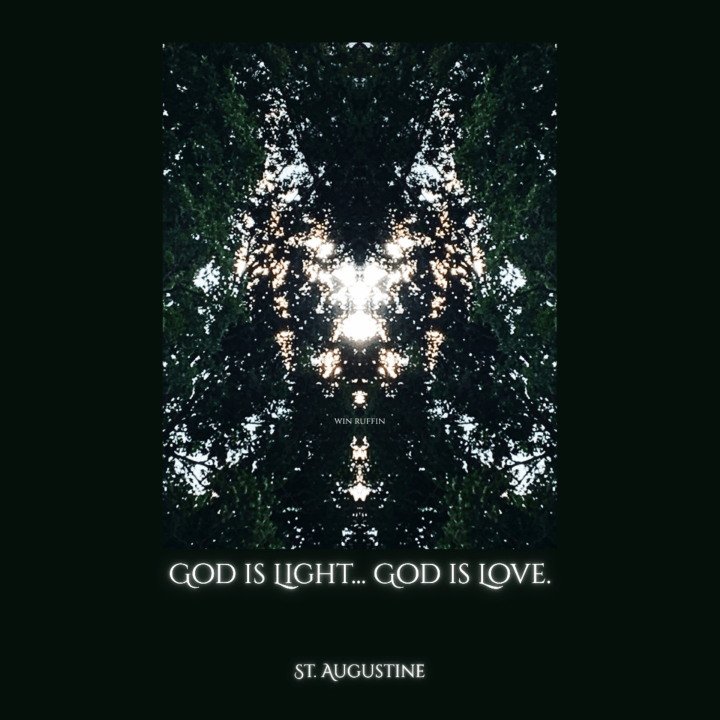
I Pray All Is Well With Everyone… And Your Hearts And Minds Are Full Of Love, Joy, And Compassion… For All God’s Children… And All God’s Creation. And In These Troubling Times… That Is Indeed What It Should Be – MORE LOVE THAN HATE DOMINATING THESE “STREETS” – Or Shall I Say, Saturating The Hearts And Minds In The People And Places… Everywhere… At This Point In Time!
But Mankind – We The Collective – Hinder Our Own Spiritual Progress And Delay Our Divine Victory… When We Choose To Be Led By Our Egos And Worldly Thinking… Instead Of Our “Mighty I AM Presence”… The Spirit Of The Living God… Forever With Us!
So To And Fro We Go – As Old And As Intelligent As Most Of Us Are – Bickering, Trying To Up The Next Individual! And Those Distractions… Causes Many To Do Whatever It Takes To Maintain Lies, Illusions… And Delusions; And Like Crabs In A Bucket… Pull One Another Down For Fear Of Losing! Yet…It’s All Temporal! Thus, Many Of Us Are Never Truly Aiming For Our Own Individual Loving Purpose In This World… Tho We All Have One; In Which We Don’t Have To Lie, Cheat, Or Steal… To Find And Fulfill! Amen…🤗💜💜💜
Give Thanks And Praises For Love And Life… 🙏🏾💞
And Y’all Be Love… 💗💗💗
That He Who Loves His Brother, Loves God; Because He Loves Love Itself, Which is of God, and is God.
“Let no one say, I do not know what I love. Let him love his brother, and he will love the same love, for he knows the love with which he loves, more than the brother whom he loves. So now he can know God more than he knows his brother; clearly known more, because more present; known more, because more within him; known more, because more certain. Embrace the love of God, and by love, embrace God. That is love itself, which associates together all good angels and all the servants of God by the bond of sanctity, and joins together, us and them, mutually with ourselves, and joins us, subordinately to Himself.
In proportion, therefore, as we are healed from the swelling of pride, in such proportion are we more filled with love; and with what is he full, who is full of love, except with God. Well, but you will say, I see love, and, as far as I am able, I gaze upon it with my mind, and I believe the Scripture, saying that “God is love; and he that dwells in love, dwells in God”. But when I see love, I do not see in it the Trinity. Nay, but you do see the Trinity if you see love. But if I can, I will put you in mind, that you may see that you see it; only let itself be present, that we may be moved by love to something good. Since, when we love love, we love one who loves something, and that on account of this very thing, that he does love something. Therefore, what does love love, that love itself also may be loved? For that is not love which loves nothing; but if it loves itself, it must love something, that it may love itself as love.
For as a word indicates something, and indicates also itself, but does not indicate itself to be a word, unless it indicates that it does indicate something; so love also loves indeed itself, but except it love itself as loving something, it loves itself not as love. What therefore does love love, except that which we love with love? But this, to begin from that which is nearest to us, is our brother. And listen how greatly the Apostle John commends brotherly love: “He that loves his brother abides in the light, and there is no occasion of stumbling in him.” It is manifest that he placed the perfection of righteousness in the love of our brother; for he certainly is perfect in whom “there is no occasion of stumbling.”
And yet he seems to have passed by the love of God in silence; which he never would have done, unless because he intends God to be understood in brotherly love itself. For in this same epistle, a little further on, he says most plainly thus: “Beloved, let us love one another, for love is of God; and every one that loves is born of God, and knows God. He that loves not, knows not God; for God is love.” And this passage declares sufficiently and plainly that this same brotherly love itself (for that is brotherly love by which we love each other), is set forth by so great authority, not only to be from God, but also to be God. When, therefore, we love our brother from love, we love our brother from God. Neither can it be that we do not love above all else that same love by which we love our brother, whence it may be gathered that these two commandments cannot exist unless interchangeably.
For since “God is love”, he who loves love, certainly loves God; but he must needs love love, who loves his brother. And so, a little after he says, “For he that loves not his brother whom he has seen, how can he love God whom he has not , because the reason that he does not see God, is that he does not love his brother. For he who does not love his brother, abides not in love; and he who abides not in love, abides not in God, because God is love.
Further, he who abides not in God, abides not in light; for “God is light, and in Him is no darkness at all.” He, therefore, who abides not in light, what wonder is it if he does not see light, that is, does not see God, because he is in darkness? But he sees his brother with human sight, with which God cannot be seen. But if he loved with spiritual love him whom he sees with human sight, he would see God, who is love itself, with the inner sight by which He can be seen.
Therefore, he who does not love his brother, whom he sees, how can he love God, whom on that account he does not see? Because God is love, which he has not who does not love his brother. Neither let that further question disturb us, how much of love we ought to spend upon our brother, and how much upon God? Incomparably more upon God than upon ourselves, but upon our brother as much as upon ourselves; and we love ourselves so much the more, the more we love God. Therefore, we love God and our neighbor from one and the same love; but we love God for the sake of God and ourselves and our neighbors for the sake of God.”
Nicene and Post-Nicene Fathers, Vol. III: St. Augustine: On the Holy Trinity; Doctrinal Treatises; Moral Treatises, Book VIII, Chapter VIII